
Streameast Mirror Explained: What Mirror Sites Are, Why They Appear, and How to Stay Safe
The phrase streameast mirror often appears during moments of confusion. When a familiar site behaves differently, stops loading, or shows unexpected prompts, people search for alternatives without fully understanding what a mirror site actually is. This lack of understanding creates unnecessary risk, device issues, and frustration.
This article explains mirror sites in simple terms, clarifies why so many Streameast-related domains and versions exist, and helps readers understand safer ways to think about online sports viewing without relying on unstable or misleading sources.
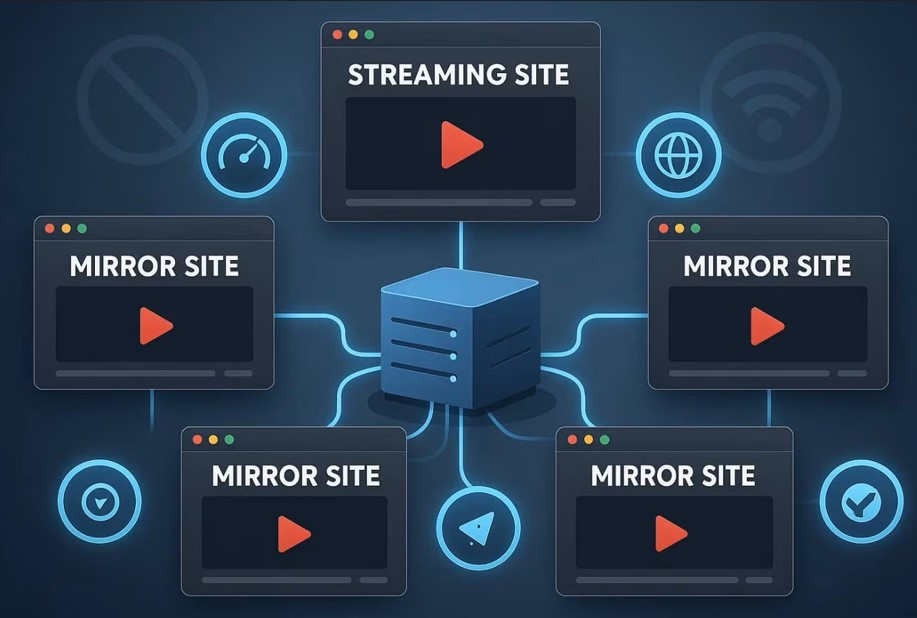
What a “Mirror Site” Really Means
A mirror site is a copy of a website hosted under a different address. In legitimate use cases, mirroring exists for reasons such as load balancing, data redundancy, or geographic distribution. Universities, software repositories, and archives often use mirrors so users can access the same information from different locations.
In entertainment streaming contexts, the word “mirror” often means something very different. Instead of being an approved copy, it may simply be a look-alike site using the same layout, branding, or name to appear familiar.
This distinction matters. A technical mirror and a copycat site are not the same thing, even though the word “mirror” is used for both.
Why Streameast Mirror Searches Exist
When people search terms like streameast mirror, streameast link, or new streameast site, they are usually responding to instability rather than curiosity. Something they expected to work no longer behaves the same way.
Several factors contribute to this pattern:
Streaming platforms change often. Domains disappear, layouts shift, and access rules evolve. When users do not receive clear explanations, they assume an alternative version exists somewhere else.
Reports have shown that the Streameast network once operated across more than 80 related domains, generating over 1.6 billion visits in a single year before enforcement actions disrupted it. That scale explains why many copies, versions, and imitations still circulate under similar names.
Large networks leave large footprints. When one address disappears, many others attempt to fill the gap.
Understanding the Explosion of Streameast Domains
Search results often display many versions that look similar but end differently. Examples include short extensions, regional endings, numbered versions, and slight spelling changes. These patterns usually indicate replication, not reliability.
Domain variations such as:
- streameast.ga
- streameast.gd
- streameast.io
- stream east v2
- streameast v3
exist because registering new names is easy. Appearance alone does not confirm legitimacy.
A stable platform does not require constant renaming. Frequent changes signal instability.
Why Google Results Keep Changing
Some users add phrases like google streameast or streameast google search when they notice different results on different devices.
Search engines personalize results based on:
- location
- device type
- browsing history
- current indexing status
This means two people can search the same phrase and see different outcomes. That variation leads users to believe a “hidden” or “official” link exists somewhere else.
In reality, the results are shifting because the ecosystem is unstable.
The Risk Behind “Streameast Link” Searches
Searching for a link sounds harmless, but link-hunting carries risk when the destination is unclear. Many copycat sites rely on urgency. They assume visitors are impatient and distracted, especially during live events.
Common tactics include:
- fake play buttons
- download prompts
- notification permission requests
- “verify you are human” loops
Security research has shown that over half of piracy-focused apps studied contained embedded malware. Even browser-based sites can expose users to tracking scripts and harmful downloads.
A sports stream should never require installing unknown software.
Why “Streameast.exe” Is a Serious Warning Sign
Any file ending with “.exe” is a Windows executable program. Legitimate sports viewing does not involve executable downloads.
If a page suggests downloading an .exe file to watch content, that page should be closed immediately. Executable files can install programs, modify system settings, and access stored data.
This is not a gray area. It is a clear risk.
App Claims and Look-Alike Software
Searches such as streameast app often appear after users encounter mobile prompts. Many people assume that if a platform is real, it must exist as an app.
Some pages exploit that assumption by offering unofficial packages, sideload instructions, or fake updates. These are common entry points for malware and tracking software.
Verified apps appear through recognized app marketplaces. Anything outside those systems requires careful scrutiny.
Why “Free Streameast” Keeps Appearing
The word “free” does not always signal illegal intent. Many viewers already pay for several services and feel overwhelmed by fragmented access.
Sports broadcasting is divided by:
- league agreements
- local coverage rights
- event-specific sales
- subscription tiers
When a game is unavailable despite payment, viewers feel misled. That frustration pushes them to search broader phrases rather than investigate distribution rules.
The problem is not always price. Often, it is clarity.
Community Spaces and Discord Mentions
Some searches include terms related to community groups. This usually happens when official communication disappears and users seek reassurance from others.
Communities can share experiences, but they also attract impersonation. Fake moderators, false updates, and unsafe advice spread easily when people feel uncertain.
Community confirmation should never replace device safety.
“New Streameast Site” and Replacement Myths
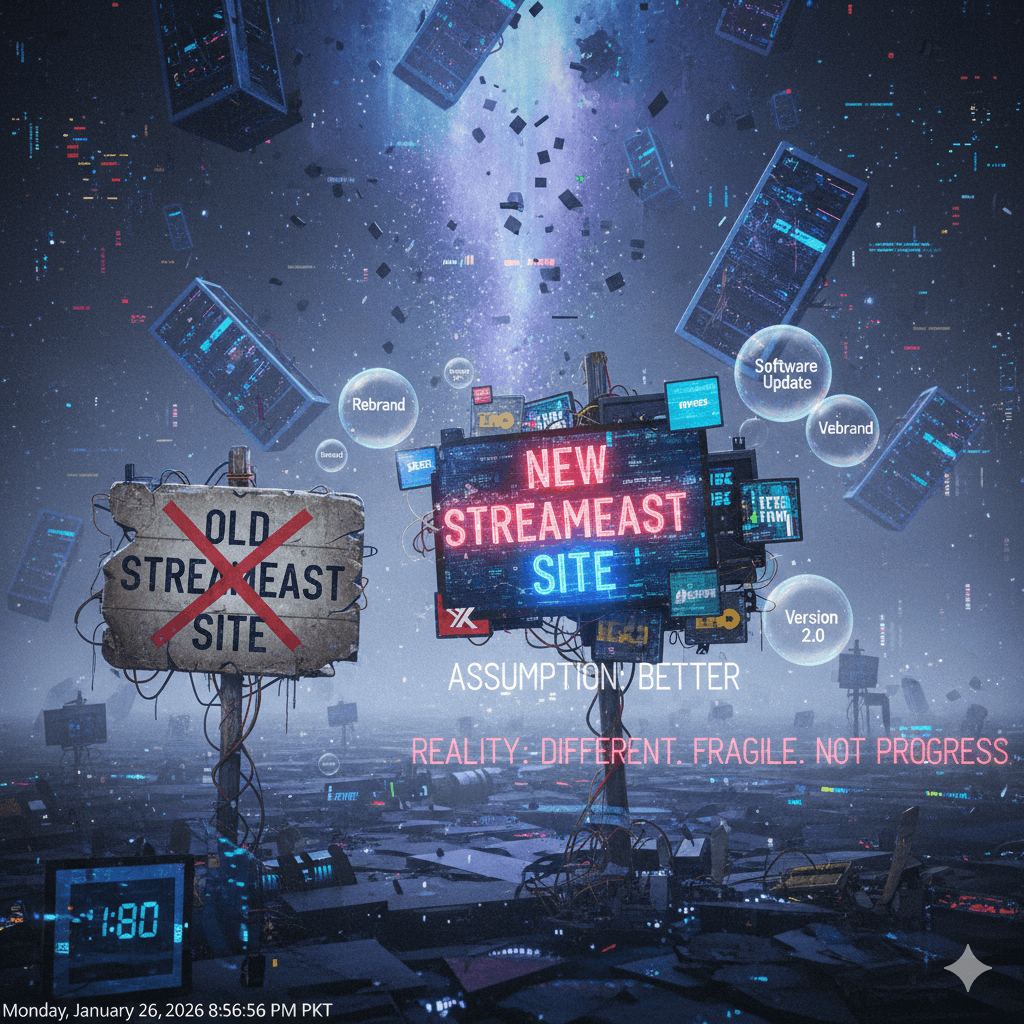
When a site stops working, many users assume it was replaced by a newer version. That assumption comes from everyday experiences with software updates and rebrands.
In unstable ecosystems, “new” often means “different,” not “better.” Constant replacement indicates fragility, not progress.
Mirror Lists and Why They Are Unreliable
Mirror lists promise convenience, but they change quickly and attract bad actors. Once a list becomes popular, it becomes a target for manipulation.
This is why mirror lists often:
- stop working suddenly
- redirect unexpectedly
- show inconsistent behavior
Reliability does not require lists. Stability removes the need for them.
How Sports Broadcasting Actually Works
Many streaming problems have nothing to do with websites. They come from broadcast rules.
Sports rights are divided by:
- geography
- league contracts
- national and local coverage
- event type
A game may be available nationally but restricted locally. A subscription may cover regular season games but not special events.
Without understanding these layers, viewers assume technical failure rather than licensing limits.
Why Paid Access Can Still Fail
Many people searching mirror-related terms already subscribe to one or more services. Their frustration comes from mismatch.
Common reasons include:
- incorrect plan level
- location restrictions
- separate event purchases
- delayed app updates
These issues are frustrating, but they are not solved by chasing unstable alternatives.
Screen Mirroring and TV Viewing Explained
Some searches involve screen mirroring rather than mirror sites. These are very different concepts.
Screen mirroring means displaying content from one device onto another, such as a phone to a television. This function depends on:
- device compatibility
- shared networks
- system permissions
Screen mirroring works best with verified apps and built-in system features. It should never require third-party installers or unknown tools.
If mirroring fails, the cause is usually technical, not related to the content source.
What to Do After Clicking a Suspicious Page
If a suspicious page was opened, simple steps reduce risk:
- close all related tabs
- clear browser permissions
- remove unknown extensions
- scan the device
- change passwords if credentials were entered
Early action limits exposure.
Why These Searches Will Continue
Streaming now represents nearly half of television viewing. As traditional TV declines, fragmentation grows. More platforms create more rules, which creates confusion.
Until access becomes simpler, mirror-related searches will remain common.
Education reduces risk more effectively than shortcuts.
Final Thoughts
The idea of a streameast mirror comes from uncertainty, not convenience. Mirror searches are a response to instability and confusion, not a solution.
Understanding how streaming works, recognizing warning signs, and avoiding rushed decisions protect both devices and personal data. Stable access does not rely on mirrors. It relies on clarity.
Education lasts longer than shortcuts.